The insurance reading room / 01
Insurance information.
Questions made clearer.
Explore everyday insurance topics in one organized library. Use these resources and 8 practical answers to prepare thoughtful questions for an appropriately qualified professional.
Open the insurance libraryRead first. Note what matters. Ask with context.
Find your starting point
Insurance information, by subject
Choose the topic closest to your question. Each section is a starting point for understanding language and identifying details to discuss, rather than a determination of your needs or existing protection.
APossessions & personal property
Read about valuable items and the records that may help describe them. Note questions about how a policy defines an item, a limit, or a valuation method.
Vehicles & everyday journeys
Explore vehicle insurance terminology before a discussion about use, drivers, or changes. Separate general explanations from the specific wording in your own documents.
Boats & time on the water
Use marine reading to frame questions about a vessel and its use. Ask how location, activities, and policy conditions relate to the circumstances you describe.
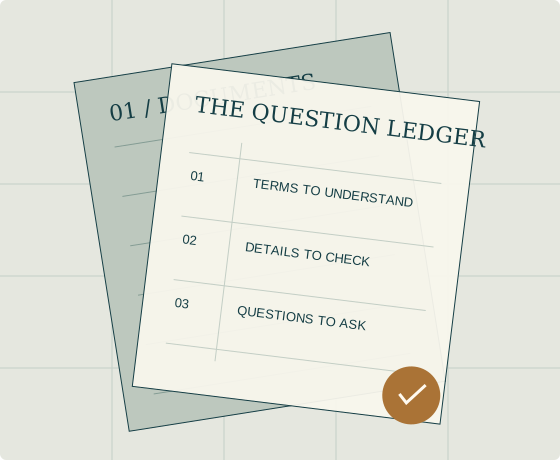
A useful conversation begins on paper
Make a small
question ledger.
You do not need to arrive with every answer. Bring a clear description of what you want to understand, and leave space for the professional to explain the terms that apply.
Explore driving awareness →Collect the current documents
Place the policy, declarations page, renewal notice, and relevant correspondence together. Record document dates so you can distinguish current terms from an older version.
Describe what has changed
Note changes in property, vehicles, household circumstances, or intended use. Describe facts without assuming they change coverage; ask which details need a closer review.
Ask for plain-language explanations
List unfamiliar terms and ask where they appear in the policy. Questions about limits, exclusions, responsibilities, and claims procedures are easier to follow when tied to an actual document.
Keep the source in view / 03
Read with context.
Publication dates, policy wording, and the purpose of a source all matter. Keep a note of what you read and verify details before relying on an example. This site organizes reading; individual financial, tax, legal, and insurance decisions belong in a discussion with appropriately qualified professionals.
Useful answers
Before you go further
What can I find in the Allstar insurance resource library?
The library brings together insurance topics, background reading, and questions for further discussion. Start with a subject that matches your situation, then use the material to identify what you need explained. The information is educational and does not determine which policy, provider, or financial arrangement is appropriate for you.
What documents should I gather before a policy discussion?
Gather your current policy, declarations page, renewal notice, and any relevant inventory or recent correspondence. Keep sensitive information secure. Make a separate list of changes and unanswered questions so an appropriately qualified professional can explain which documents matter and whether additional information is needed for your discussion.
Does an article tell me whether a loss is covered?
No. An article cannot establish whether a particular loss is covered. That question depends on the actual policy language, endorsements, circumstances, and applicable requirements. Keep records of the event and ask the insurer or an appropriately qualified professional to explain the relevant provisions and any required next steps.
How should I read about valuable possessions?
Begin by identifying the items and the questions you have about them. An inventory, photographs, receipts, or existing valuations may help structure a conversation. Ask a qualified professional how the actual policy describes limits, exclusions, documentation, and valuation, without assuming that a general example applies to your possessions.
Where can I start with vehicle and boating topics?
Use the Auto Insurance and Boat & Marine Insurance sections as reading indexes. Write down the vehicle or vessel, its use, and the issues you want explained. Requirements and policy terms can differ, so take questions about your circumstances to an appropriately qualified professional before making a decision.
How can I tell whether older information is relevant?
Check the publication date and the context of the material, then verify important details against current policy documents and authoritative sources. An older article may explain vocabulary while containing examples that no longer fit. Ask a qualified professional to clarify anything that could affect a present decision.
Can this site recommend a retirement or insurance product?
No. This library does not select products or provide individualized financial, tax, or legal advice. Retirement and annuity topics require careful consideration of personal circumstances. Direct questions about those decisions to appropriately qualified professionals who can explain relevant terms, responsibilities, risks, and alternatives within their area of expertise.
What should I do if two explanations seem different?
Record the exact statements and their sources, including dates and any policy references. Differences may reflect distinct situations or definitions. Ask the insurer or a suitably qualified professional to explain which wording applies to your circumstances, and request clarification in writing when a point remains unclear.